Bipartisan Push in Congress Seeks to Safeguard AM Radio's Role in Community Discourse and Emergency Preparedness
A bipartisan bill mandating AM radio in all new vehicles is gaining congressional support, aiming to protect emergency communications and foster local civic discourse.
Opinion·
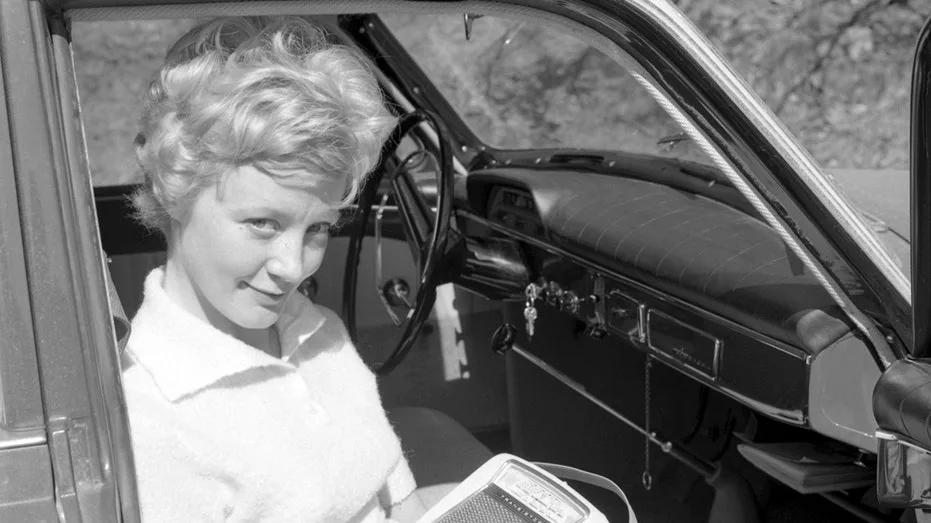
As WFMD radio in Frederick, Maryland, approaches its 90th anniversary on the AM band in 2026, a significant bipartisan legislative effort is underway in Congress. A bill slated for a vote this week aims to ensure that all new automobiles sold in the United States are equipped with AM radio receivers, capable of tuning into stations like WFMD.
Known as the AM Radio For Every Vehicle Act, the proposed legislation has garnered substantial backing, with over 300 co-sponsors in the House of Representatives and 60 in the Senate. Its primary stated objective is to guarantee the continued broadcast of critical emergency alerts, including the distinctive alert tone, directly to vehicles via AM frequencies.
This practical provision is seen as a crucial fallback, especially during events like cyberattacks or widespread digital outages, reinforcing the idea that established technologies often provide reliable alternatives when newer systems fail.
While safeguarding lives through emergency communication is a commendable and sufficient rationale for this bill, its impact extends further. Proponents argue that the measure also plays a vital role in preserving civil American discourse, positioning AM radio as one of the few remaining platforms for such engagement in the contemporary digital landscape.
The Unique Role of Local AM Radio
Throughout the nation, numerous local AM stations, similar to WFMD, adhere to a familiar programming structure. This typically begins with an upbeat morning segment featuring substantial local news, transitions into nationally syndicated news programs during late morning and early afternoon, and culminates in an afternoon drive-time call-in show dedicated to local, state, and federal political discussions.
In Frederick, the afternoon program "Mid-Maryland Live" exemplifies this model, hosted by Tim May and Frank Mitchell. May is characterized as a spirited conservative commentator with a distinct Maryland accent, while Mitchell is described as a calm and agreeable liberal, originally from New York City, possessing a smooth radio voice.
For three hours daily, May and Mitchell, alongside frequent callers, cultivate a dialogue often considered among the most balanced perspectives on current events available. This discussion is notably characterized by an absence of shouting and harsh rhetoric.
Furthermore, local AM radio serves as a dependable conduit for understanding the concerns of communities beyond major metropolitan areas. For instance, while topics like data centers have recently gained prominence in national news, these issues have been subjects of discussion on local AM stations nationwide for more than a year.
These conversations about data centers typically avoid unbridled anger or unqualified endorsement, instead featuring nuanced discussions from listeners who often demonstrate extensive knowledge of their community's specific laws and regulations.
Filling a Void and Sustaining Connection
In an era where the decline of small-town newspapers and the local coverage and accountability they once offered is a frequent lament, AM radio has, in many respects, stepped in to fill this void. It is common for local officials to make appearances on these stations, engaging directly with their constituents.
Additionally, these stations frequently serve as platforms for broadcasting high school sporting events, providing young athletes with a sense of recognition and importance as their achievements are shared live with the community.
While some advocates for limited government might express reservations about legislative action that effectively mandates access to local AM radio programming, proponents argue this approach offers a more pragmatic form of support for the radio industry compared to direct public funding models, such as that employed by National Public Radio.
Publicly funded radio, often operating without the same free-market pressures, is sometimes perceived as tending towards a specific ideological leaning. In contrast, local AM radio stations sustain their operations through advertising sales, typically to local businesses. This commercial model creates a financial imperative to cultivate broad appeal across diverse political perspectives.
Enduring Relevance in a Digital Age
Contrary to perceptions of radio as a declining medium, its reach remains extensive. Estimates indicate that between 80% and 90% of Americans engage with either AM or FM radio on a weekly basis, and over 80% of vehicle owners tune in when starting their cars.
AM radio is far from becoming obsolete. It continues to serve as a vital source for local information—weather updates, traffic conditions, and community news—much as it has for previous generations. Its value lies in its focus on what is happening locally, rather than solely on national centers like New York or Washington D.C.
The impending passage of the AM Radio For Every Vehicle Act by Congress, despite its reputation for legislative gridlock, underscores the lasting influence of local radio stations. This development suggests that audiences in places like Frederick can anticipate continuing to enjoy programming from personalities such as Tim and Frank for the foreseeable future.
Related Stories
Supreme Court's White House Ballroom Ruling Underscores Debate Over Judicial Appointments
The Supreme Court recently ended a legal challenge to a White House ballroom project, prompting renewed debate on judicial interpretations of standing and the broader need for federal judges who adhere strictly to
Sep 6

Artificial Intelligence: Learning from Social Media's Mistakes to Protect a Generation
The rapid advance of artificial intelligence presents a profound ethical dilemma. Learning from social media's past harms to children, proactive measures are urged to protect a new generation from AI's potential
Sep 5
Democratic Socialists and Hasan Piker Mark a Defining Summer for American Politics
This summer is increasingly defined by the growing presence of the Democratic Socialists of America (DSA) in electoral politics and the controversial rise of streamer Hasan Piker, whose radical views and rhetoric are
Sep 1

Is US Innovation Lagging China in Critical Military and Commercial Logistics?
Challenges in military resupply highlight the critical need for innovation and efficient logistics. From vital parts like aircraft rivets to advanced robotics, the pace of technological development, particularly in
Aug 31