Looming 50% Tariffs on Canadian Spirits Threaten US Hospitality and Intensify Trade Dispute
A potential 50% tariff on Canadian alcoholic beverages could significantly impact American bars, restaurants, and liquor stores, further escalating an ongoing trade disagreement between the United States and Canada.
Politics·
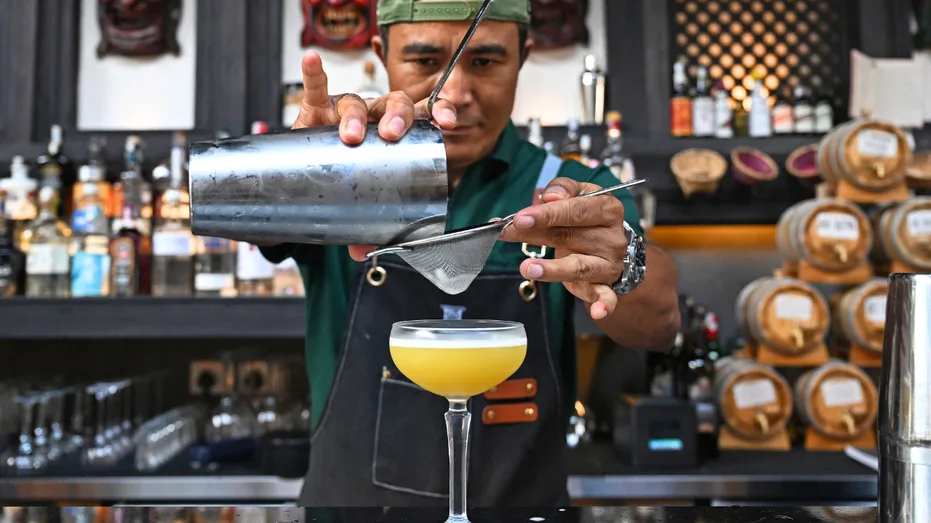
President Donald Trump's administration is poised to implement a substantial 50% tariff on Canadian distilled spirits, a move that could significantly affect American bars, restaurants, and liquor retailers. This potential trade action marks a new phase in the ongoing economic tensions with Canada.
Escalating Trade Tensions and Industry Concerns
The Distilled Spirits Council's President and CEO, Chris Swonger, highlighted the dual impact of such tariffs. While acknowledging they might pressure Canada to reintroduce American spirits to its markets, he also warned of adverse effects on U.S. hospitality businesses. Swonger expressed optimism for a resolution, stating, "We are hopeful that an agreement will be made between the Trump administration and Canadian politicians to put American spirits back on the shelves."
This latest tariff proposal represents an intensification of a trade dispute that has already seen U.S. spirits exports to Canada decline. In response to earlier American tariffs, several Canadian provinces had previously removed U.S.-produced spirits from their retail outlets.
High-level discussions were held on Tuesday, with President Trump and Canadian Prime Minister Mark Carney engaging in last-minute negotiations to avert the imposition of these 50% tariffs before a looming midnight deadline.
The proposed tariffs extend beyond just liquor, encompassing approximately $20 billion worth of Canadian imports. This includes various goods such as dairy products, vehicles, and hockey equipment. Specifically within the beverage sector, Canadian whisky, vodka, gin, rum, wine, and beer are among the products targeted for the new levy.
Economic Repercussions for Both Nations
The state of Kentucky, a significant player in the global spirits market, stands to be particularly affected by these trade disruptions. According to the Kentucky Distillers' Association, the state is responsible for producing 95% of the world's bourbon and sustains over 23,000 jobs within its industry.
Swonger suggested that the threat of substantial tariffs on Canadian liquor could serve as a crucial bargaining chip to encourage Canadian officials to reopen their markets to American producers. He elaborated, "Considering applying a 50% tariff on Canadian distilled spirits would hopefully be the trigger, the forcing mechanism to get the Canadian province leaders to put American spirits back on the shelves."
The implications of these trade barriers stretch beyond the distilling industries in both countries. Canadian whisky and other distinct Canadian spirits are widely consumed by Americans at home and are staple offerings in U.S. bars and restaurants. Consequently, new tariffs could create significant ripples throughout the entire American hospitality sector.
Annually, the U.S. typically exports around $220 million worth of distilled spirits to Canada. In contrast, Canadian producers export over $500 million worth of spirits to the considerably larger American market.
Industry's Call for Free Trade
Despite the potential for leverage, Swonger emphasized that the American spirits industry ultimately hopes to avoid the implementation of these tariffs. He warned that a 50% levy would be "absolutely devastating to the Canadian distilled spirits industry" and would inflict "a real impact on the American hospitality economy."
Swonger further argued that spirits are not easily interchangeable commodities. American consumers specifically seek out Canadian whisky, just as Canadian consumers have increasingly developed a taste for American whiskey. This distinctiveness means simply substituting products is not a straightforward solution.
The industry's preferred outcome, he asserted, remains a return to unimpeded free trade rather than an escalation into a tariff conflict. "We're an industry that thrives on zero-for-zero tariffs and zero trade barriers," Swonger stated.
As negotiations continue right up to the deadline, Swonger noted that distillers are anxiously awaiting the outcome of the administration's pressure tactics. "We hope we can get back to that tomorrow," he concluded, referring to a state of free trade.
Related Stories
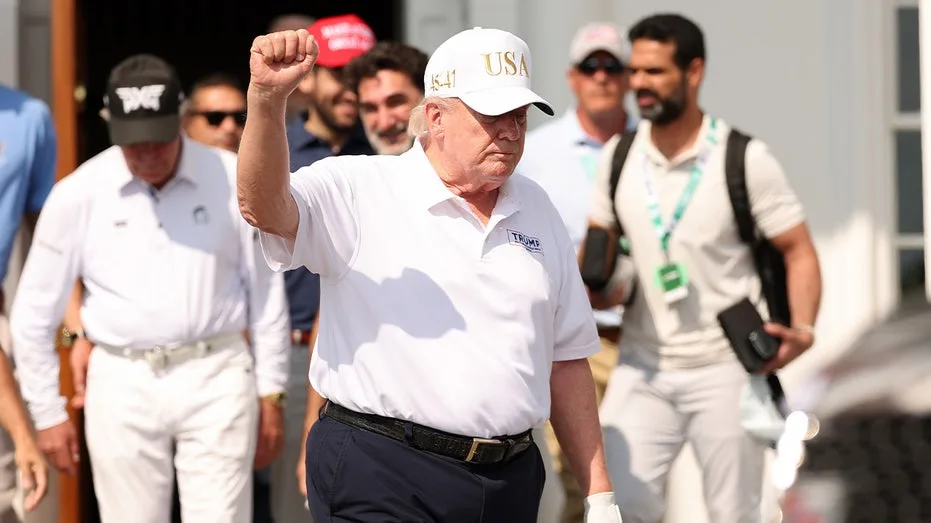
New Jersey's 7th District Becomes Pivotal Battleground in Fight for House Control
New Jersey's 7th Congressional District is emerging as a critical battleground in the upcoming November elections, with incumbent Rep. Tom Kean Jr. facing a challenge from Democrat Rebecca Bennett. The outcome could
Aug 24
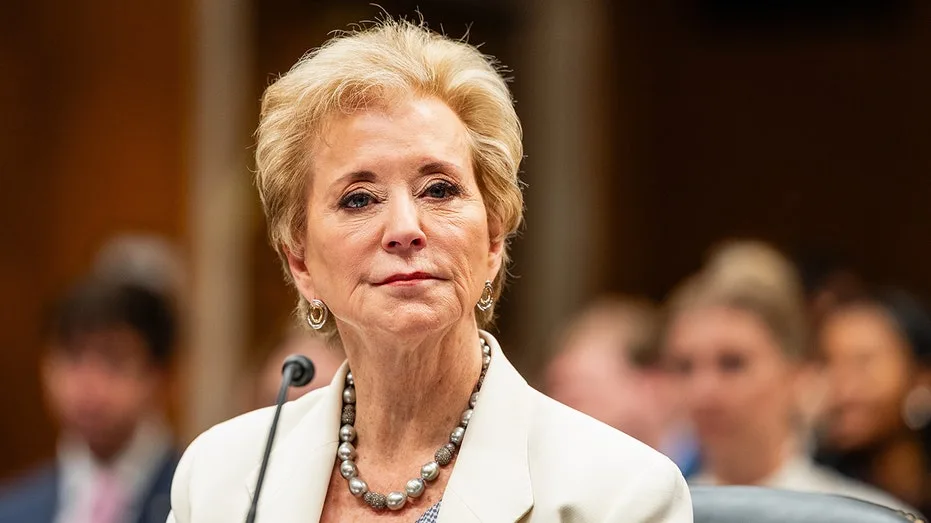
Secretary McMahon Pledges Federal Crackdown on Teacher Sexual Misconduct, Calls for End to Reassignments
Education Secretary Linda McMahon announced a federal push to eliminate sexual misconduct by teachers and staff in schools. She criticized districts for reassigning rather than firing those accused, emphasizing that
Aug 24
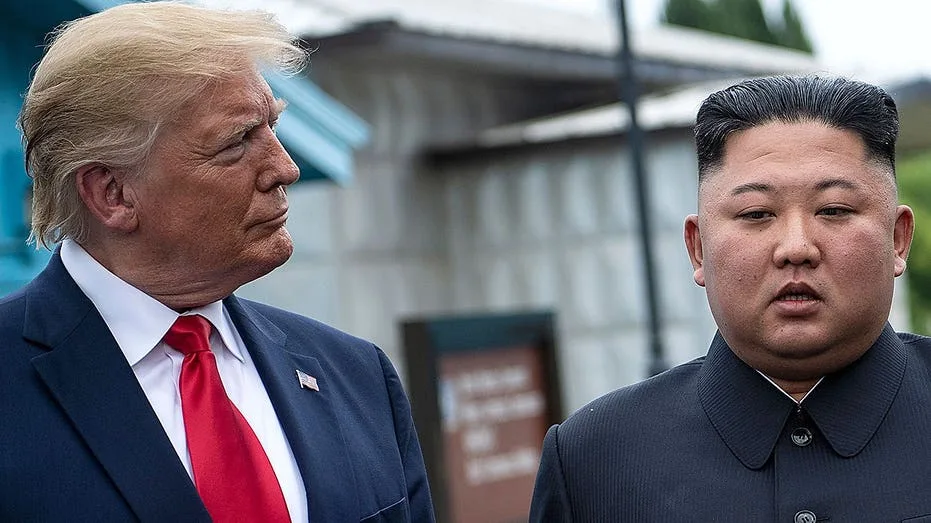
Trump Seeks Renewed North Korea Diplomacy Amid Shifting Geopolitical Landscape
Donald Trump is pursuing renewed diplomatic engagement with North Korea, confronting a significantly changed environment since his first term. Pyongyang now has a larger nuclear arsenal and a stronger alliance with
Aug 23
Senator Fetterman Urges Aggressive U.S. AI Development, Citing China's Gains and Aligning With Trump's Stance
Senator John Fetterman advocates for robust U.S. artificial intelligence development, cautioning that a cautious approach aids China in the global tech race. His position on AI and data center expansion mirrors that of
Aug 23